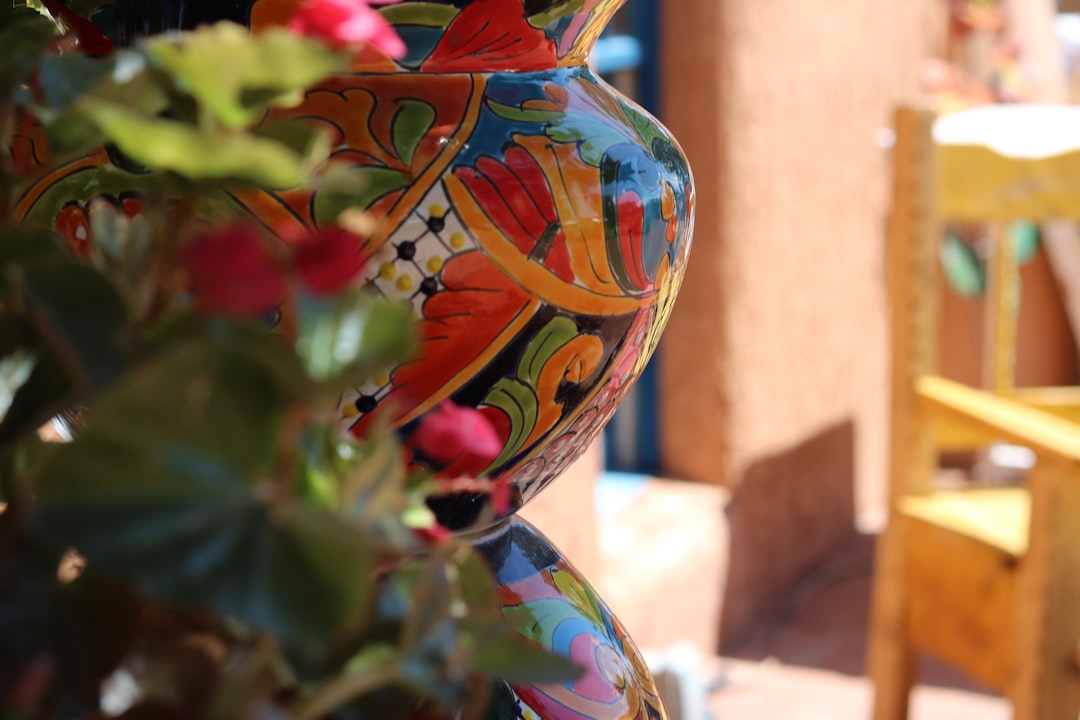
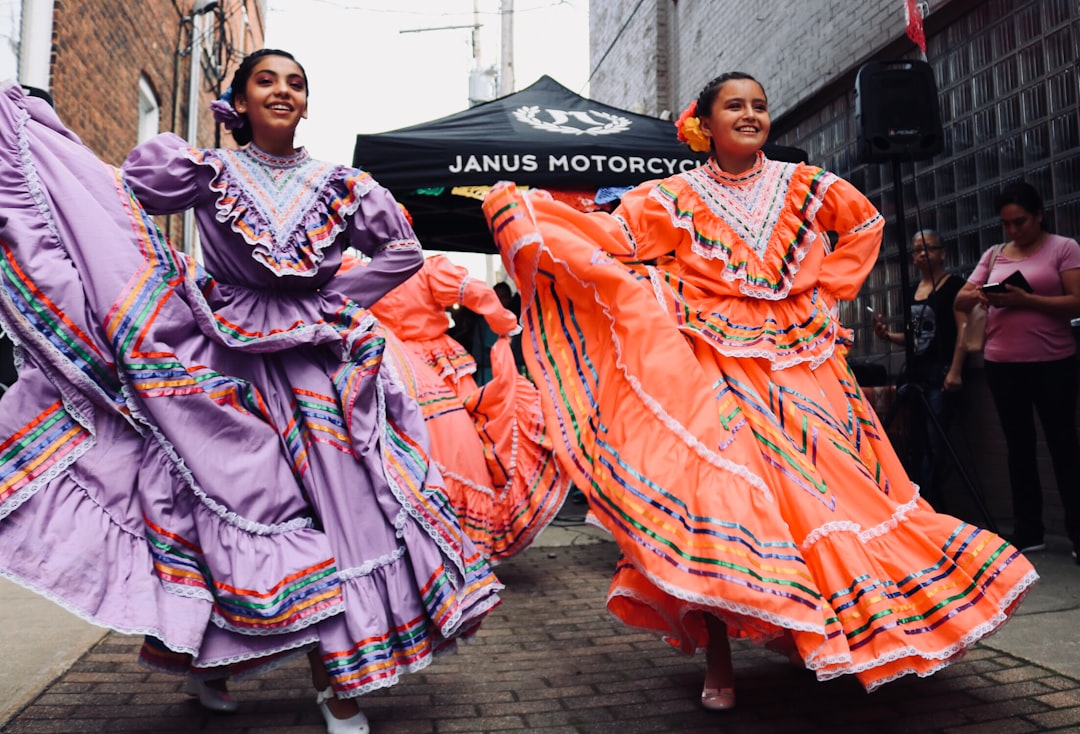
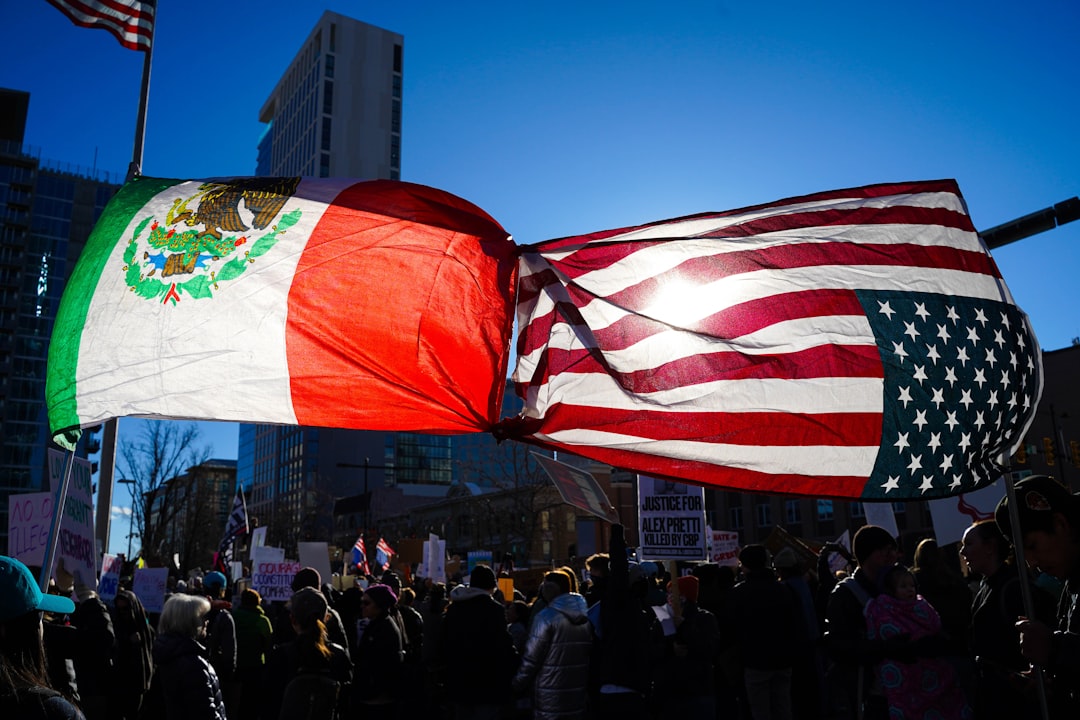
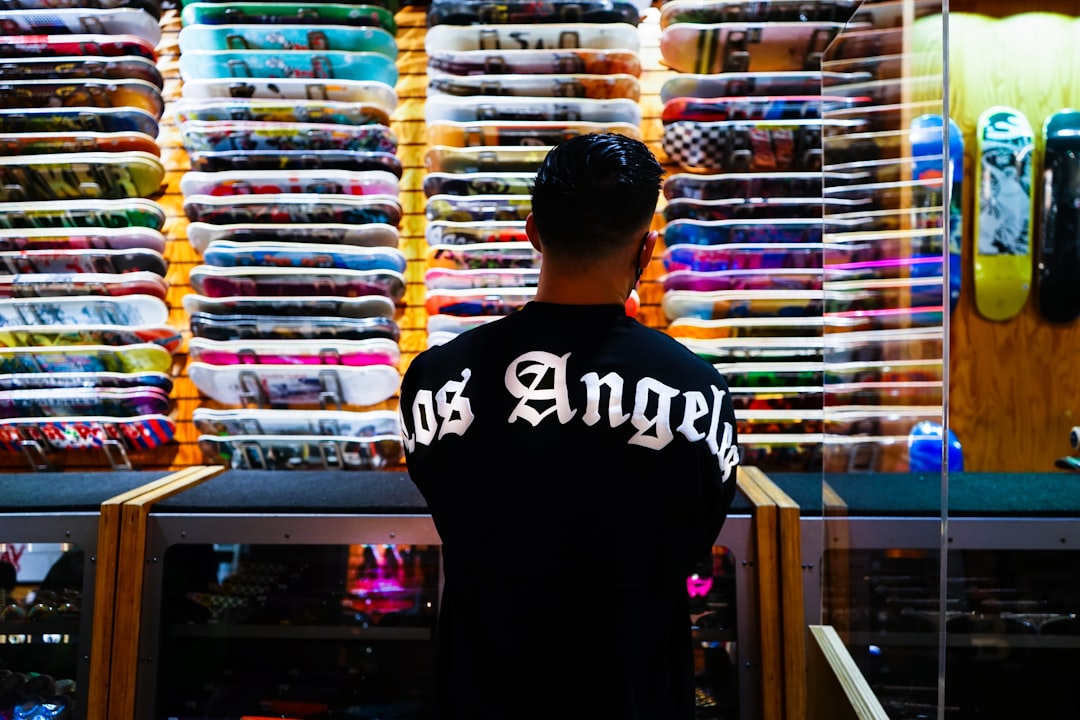
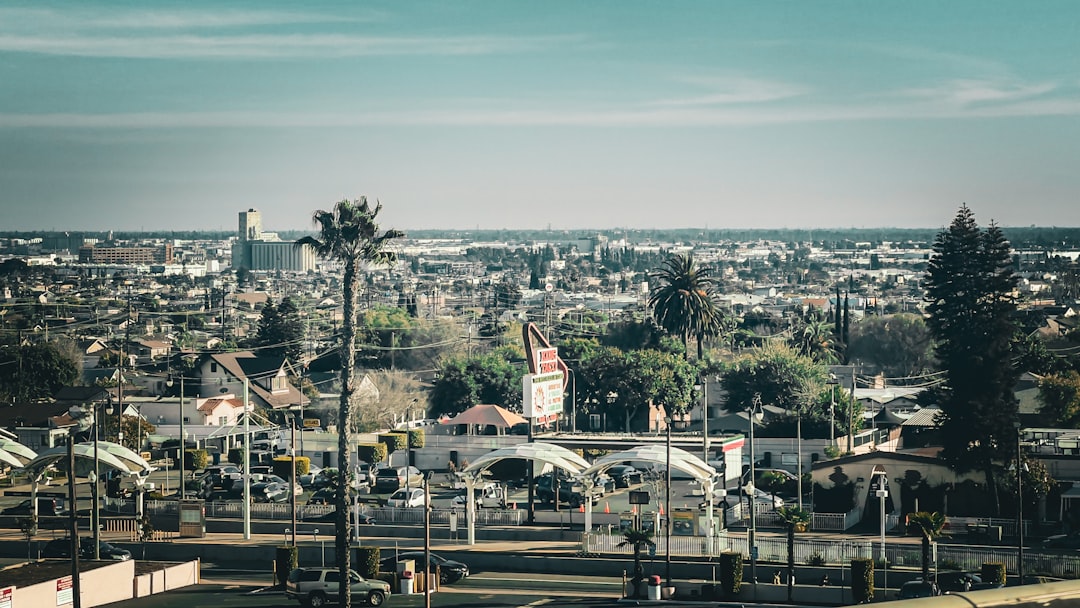
Three lenses on what Mexican means in 2026: pre-Columbian fire, the everyday pour, the border's third culture.
The Mexico every tequila sells is the postcard one: sun, mariachi, agave fields, the master distiller. The brief was to elevate without diluting. So which Mexico does a premium tequila get to be?
Every premium tequila now runs the same codes — agave fields, the master distiller, the sun, mariachi, fire-as-craft. The shelf reads as one brand wearing five labels.
A decade of mezcal's artisanal codes legitimised char across agave, scotch, coffee and single-origin chocolate. Premium buyers read smoke as craft. Tequila is late to it.
GLP-1 cuts how much premium buyers drink. In 2025 the trade went the other way: US tequila and mezcal value fell 4.1% to $6.4bn, and the growth was in cheaper bottles. What sets a bottle apart now is what it means, not how rare the liquid is.
Mexican design, food, music and fashion are going global fast. And in a world flooded with AI fakes, people pay much more for things made by fire and made by hand than for anything that can be copied.
The brief was elevate without diluting. The category answered with a crowded, identical postcard.
Stay inside that canon — agave, sun, mariachi, the master's hand — and you flatten what Mexican means, right when the luxury tier starts paying for depth. There are three other Mexicos no one in the category is selling, and each one can be a territory: the fire Mexico of the brand's own volcanic ground, buried under the agave field; the everyday Mexico of the daily pour the premium playbook walked away from; the border Mexico of the bilingual line the category has left unclaimed.
Nine cross-domain methods, nineteen cited artifacts. When separate reads keep landing on the same thing, the territory holds.
Every premium tequila leans on the same handful of codes: agave fields, the master distiller, the sun, mariachi, fire-as-craft. Each territory throws out a different set, and that's what keeps them apart. Once a brand owns one, a competitor can't copy it without turning into that brand.
Don Julio's own fire myth. Older than the agave field. Deeper than every competitor's craft story.
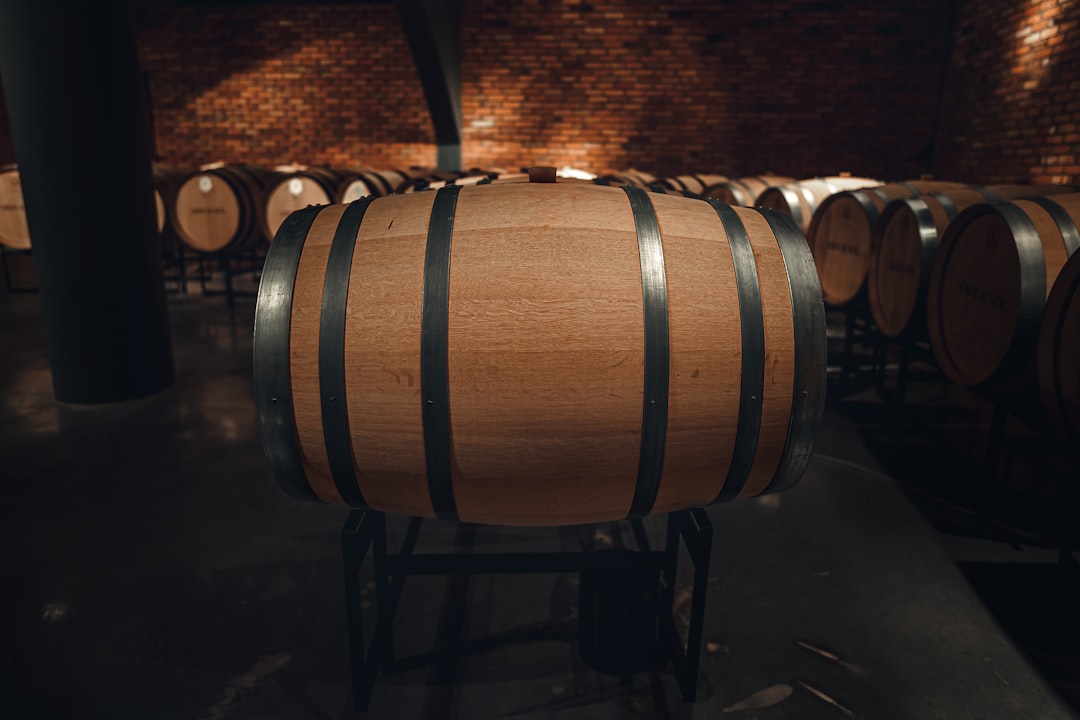
Five codes. Every premium tequila uses some combination. The Pyrotechnic Lineage uses none of them. It claims the volcanic ground underneath instead.
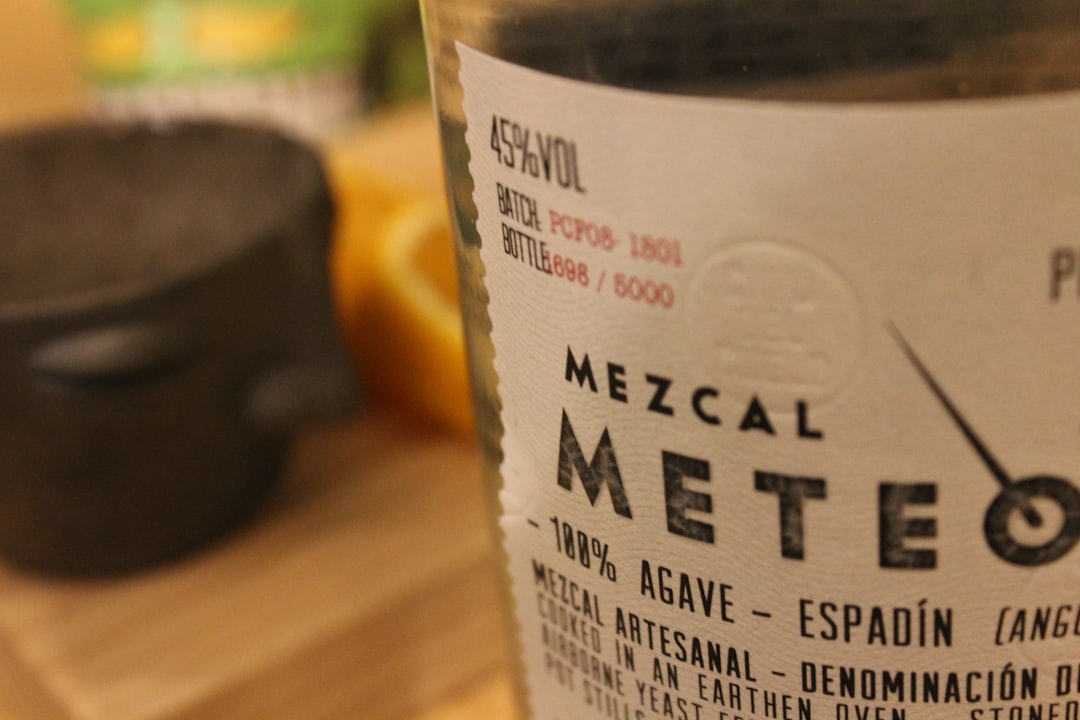
Mezcal · native
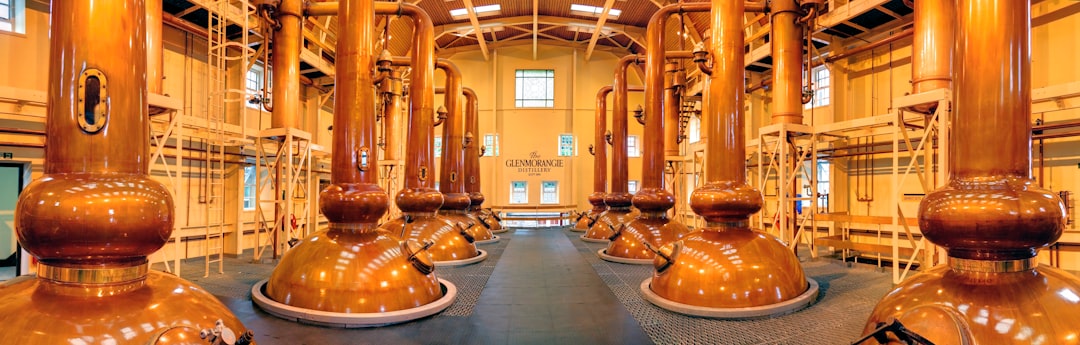
Single-malt scotch · Islay
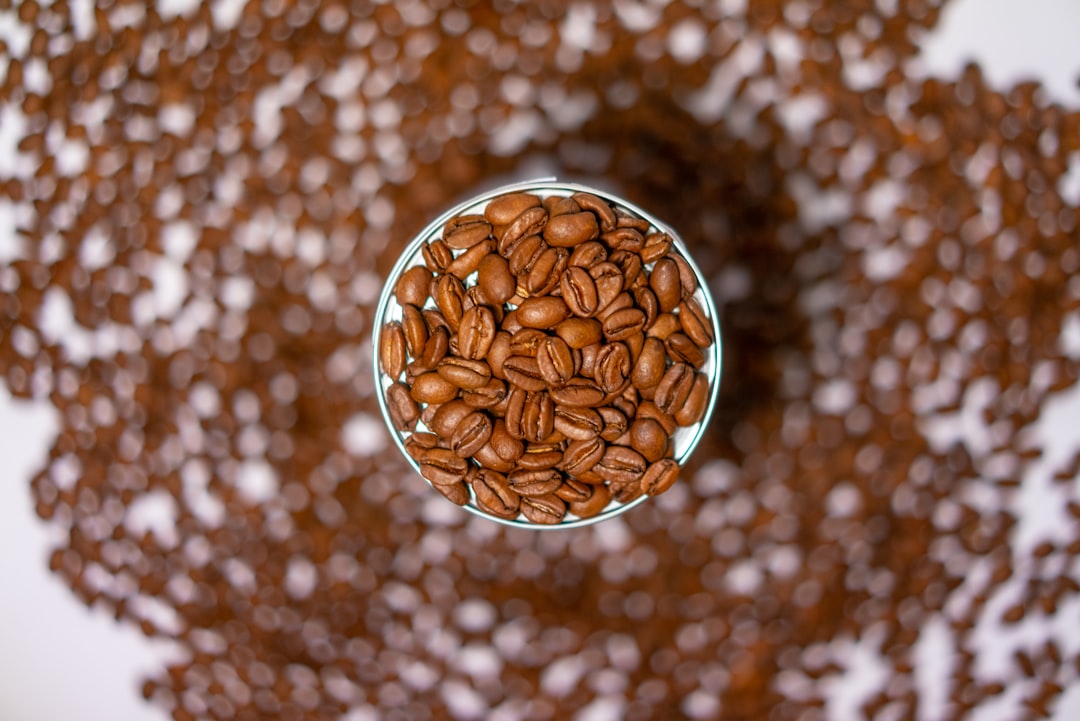
Single-origin coffee · dark roast
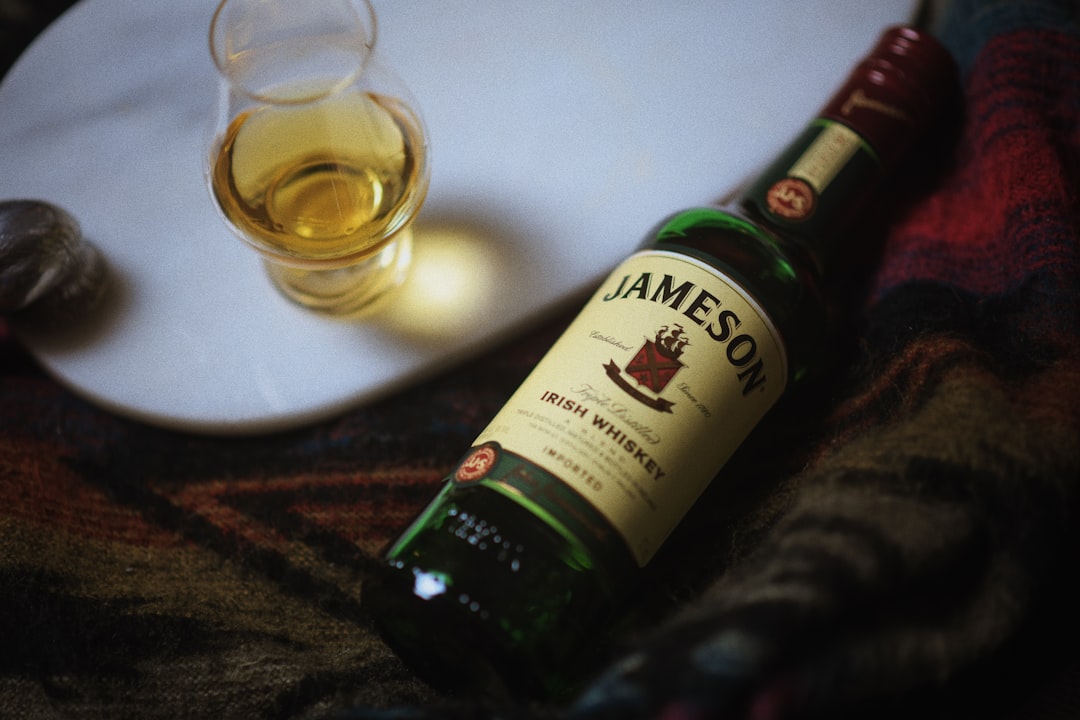
Whiskey · char-aged
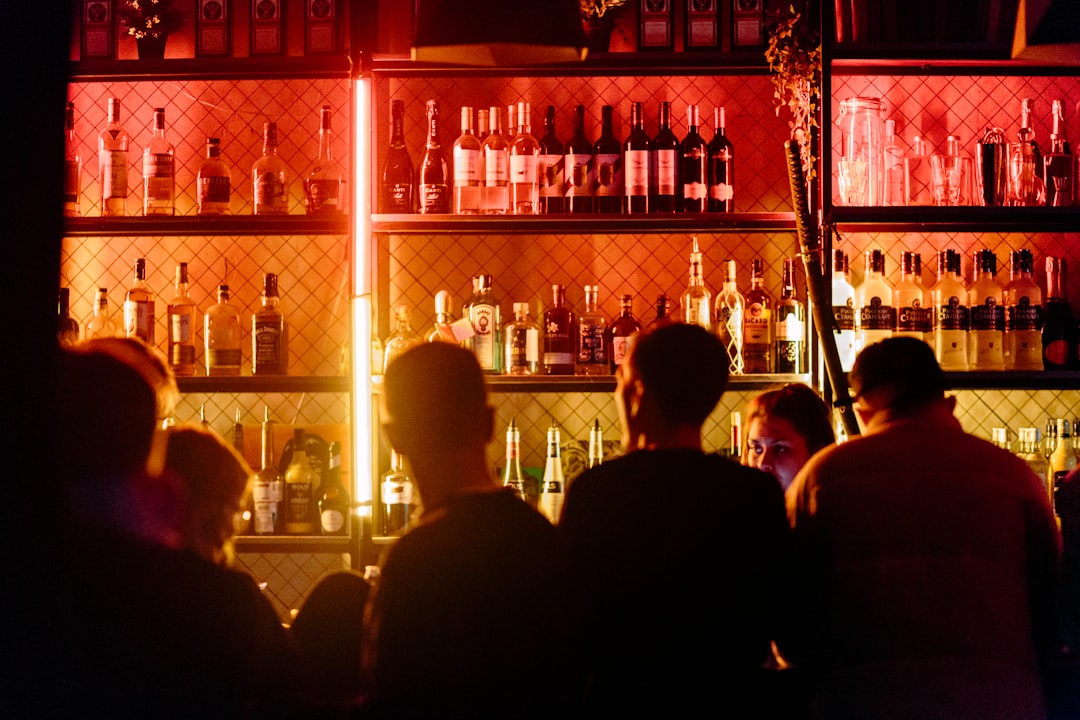
Mezcal, scotch, whiskey, dark-roast coffee — all using smoke now as a premium signal. Tequila has not.
Mexico's first myth was a sacrifice. A god threw himself into the bonfire so the sun could rise.
— Nahui Ollin · The Fifth Sun · Aztec creation cycle
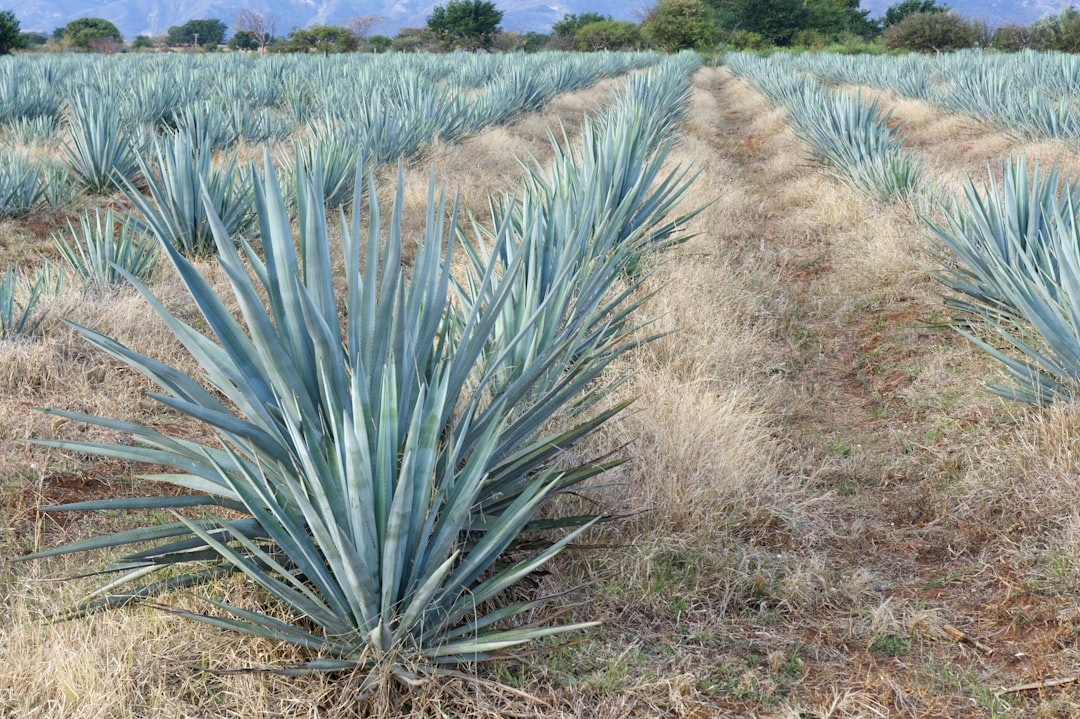
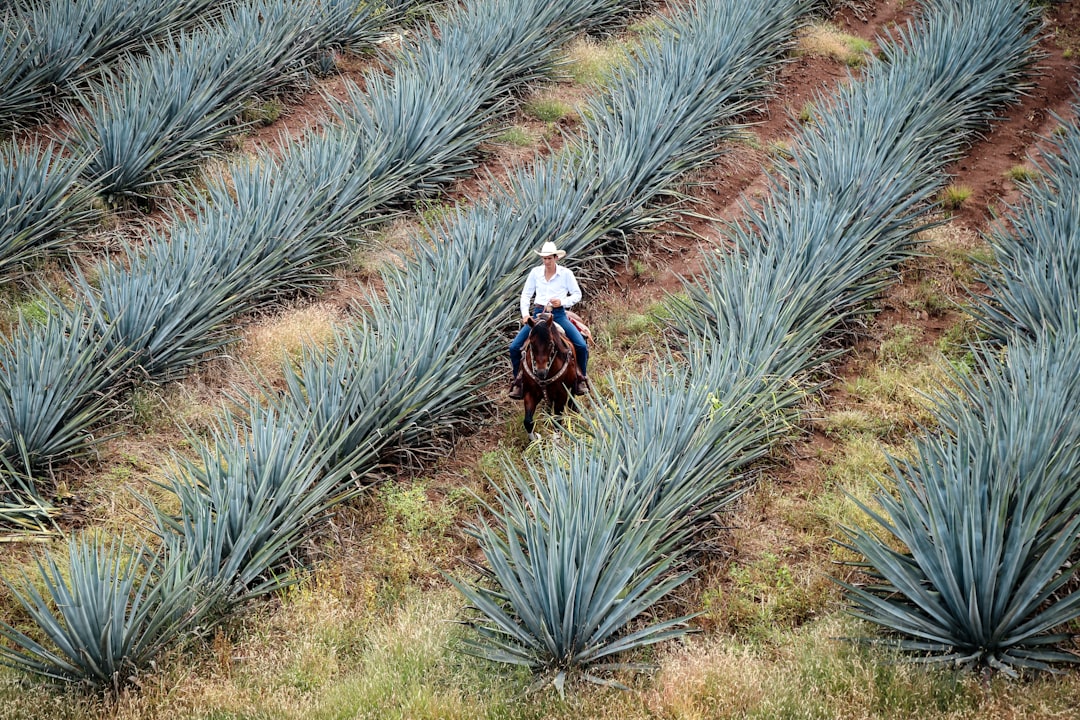
Don Julio González founded La Primavera in 1942 at age 17, with a 20,000 peso loan from a local merchant in Atotonilco el Alto. The site sits at 2,000m on the Mesa del Centro, Mexico's volcanic high plateau. Every agave the brand has ever distilled was grown on that ground. The fire is in the land the brand has farmed since 1942.
Every premium tequila leans on these visual codes. The Pyrotechnic Lineage inverts all of them.
Smoke-as-luxury is everywhere now — mezcal, scotch, whiskey, coffee. Don Julio has been growing on volcanic highland since 1942. The brand rides the trend while owning ground no competitor can touch.
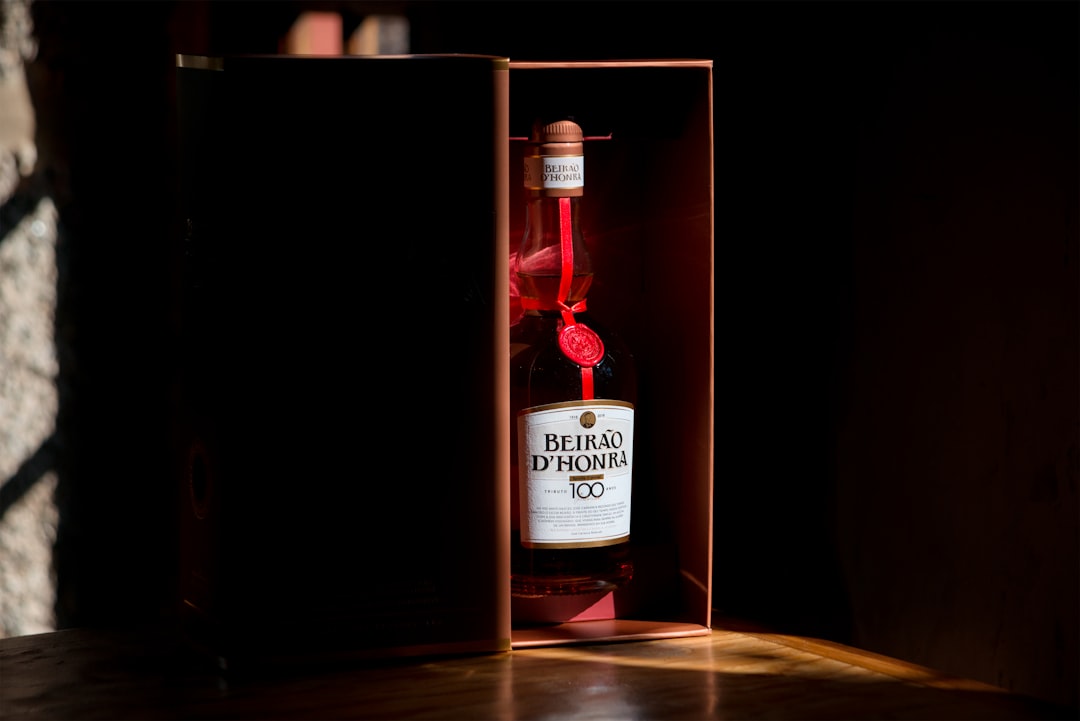
A dark añejo finished in heavy-char ex-bourbon American oak. Highland agave from Atotonilco. You can taste the smoke.
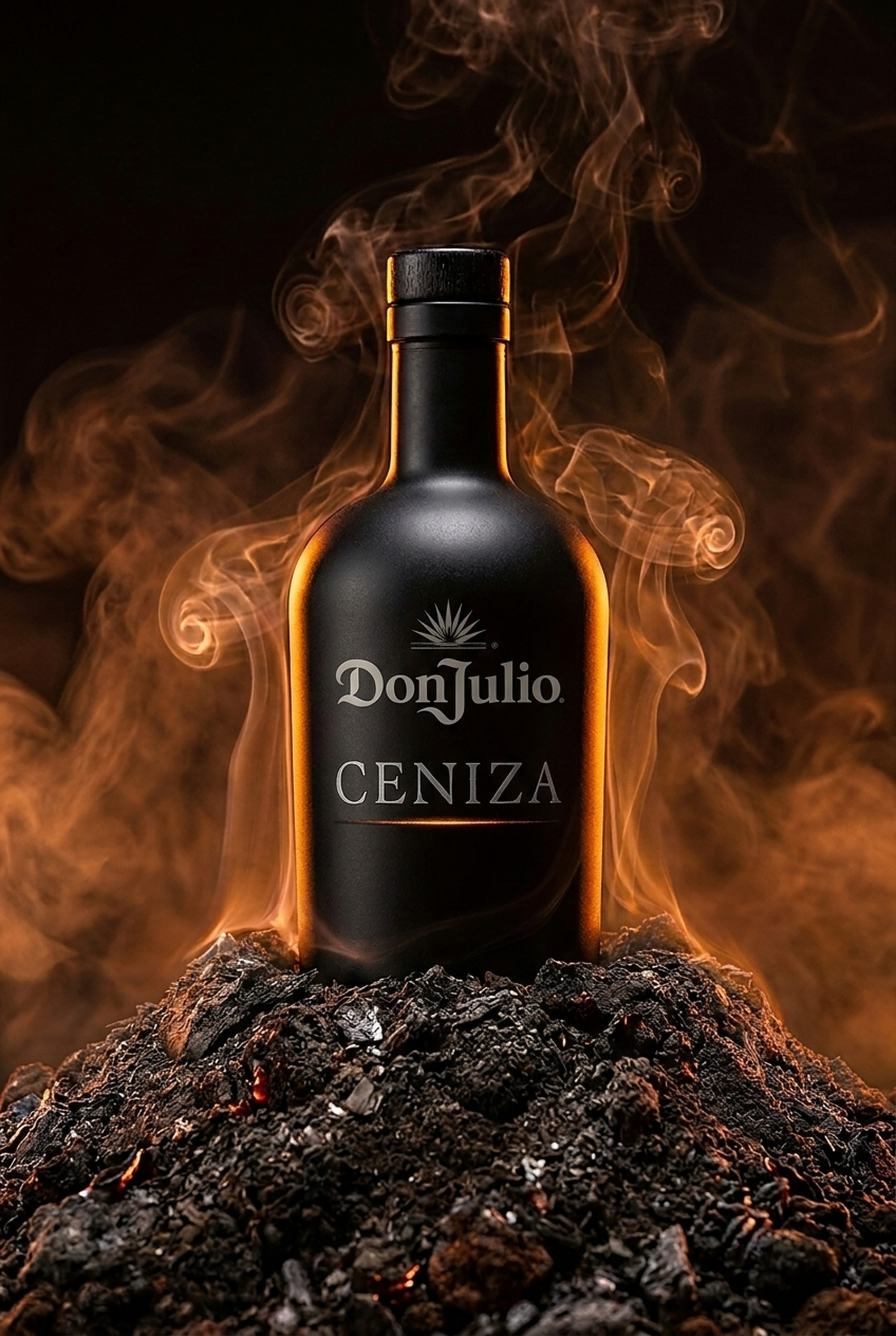
Don Julio is the largest spirits brand in the United States by retail value, at $2.8bn across 3.6m cases in 2025. Ceniza takes a share of that base rather than recruiting new households. Impact Databank
$75–85. The ladder above Añejo ($68) is already occupied: 70 Cristalino at $73–85, Primavera at $125, 1942 at $176. Ceniza prices next to 70 Cristalino, not above it. A char finish on an existing añejo earns a small premium, not a new tier. Total Wine + retail observed · position inferred
Heavy-char ex-bourbon casks are cheap and 18 months of time is not. The margin comes from mix, not from a new tier: Don Julio's blended bottle retails near $65 ($2.8bn ÷ 43.2m bottles), so every case sold at $75–85 lifts the average. arithmetic from Impact Databank
The back bar and off-premise shelf Don Julio already holds. No new listing, no new operation. derived from current distribution
Smoke reads as craft across mezcal, scotch, coffee and chocolate. Tequila is the category that has not used it.
A $2.8bn base to take share of, priced a step above Añejo, in a year the category's value fell 4.1%.
A finishing step on liquid Diageo already distils and already ages.
The everyday Mexican pour the premium category pretends doesn't exist.
None of it is about the liquid. It's the whole dress-up the category uses to signal status. The Common Pour throws all of it out.
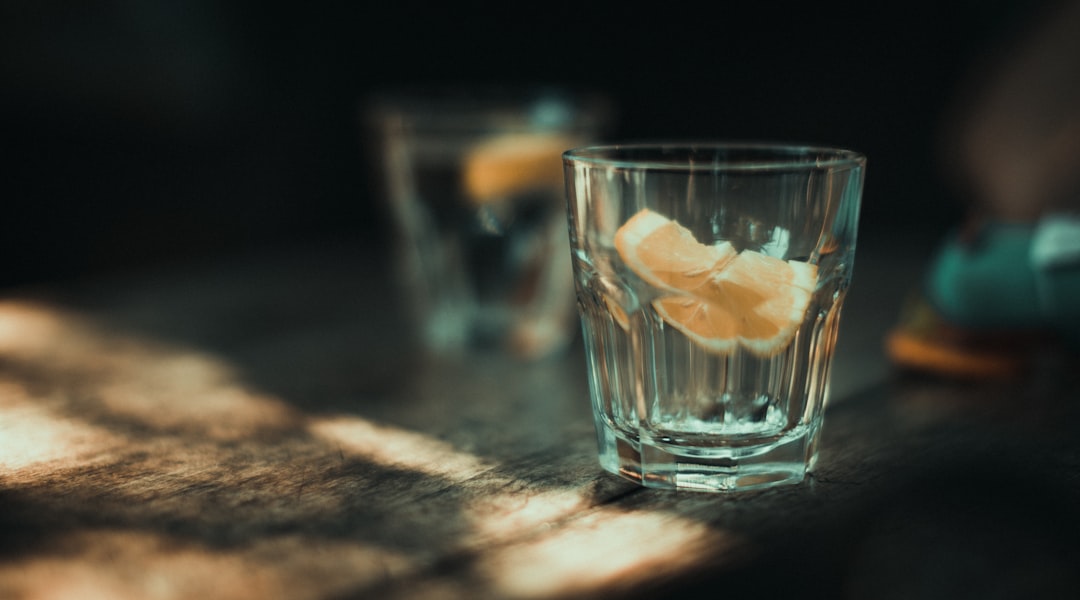
Younger drinkers are sick of paying to perform. Mexico already has a daily-pour tequila culture: a plain glass, on the table, no occasion needed. The premium category only knows how to sell the bottle-service night out. Nobody is making the bottle you keep on the counter.
The premium playbook makes tequila feel special. It has no idea how to make it feel everyday.
— Heavy glass · embossing · gold-foil · restaurant gatekeeping · price-as-status
Don Julio has decades of premium equity. That equity is what lets the brand release a humble product without diluting itself — same logic as a Stüssy reissue. The master house can ship at street level on purpose.
None of these are about how the drink looks. They're the cues that say "premium" before anyone tastes it. The Common Pour drops every one.
Everyone else is chasing prestige. Don Julio Casa goes the other way and reaches the everyday drinker no one built for. Saying no is the whole point. A master house, shipped at street level on purpose.
A 1L blanco from Valles lowland agave. No aging, no presentation box. Refillable at participating Mexican distributors. The format the premium category abandoned.
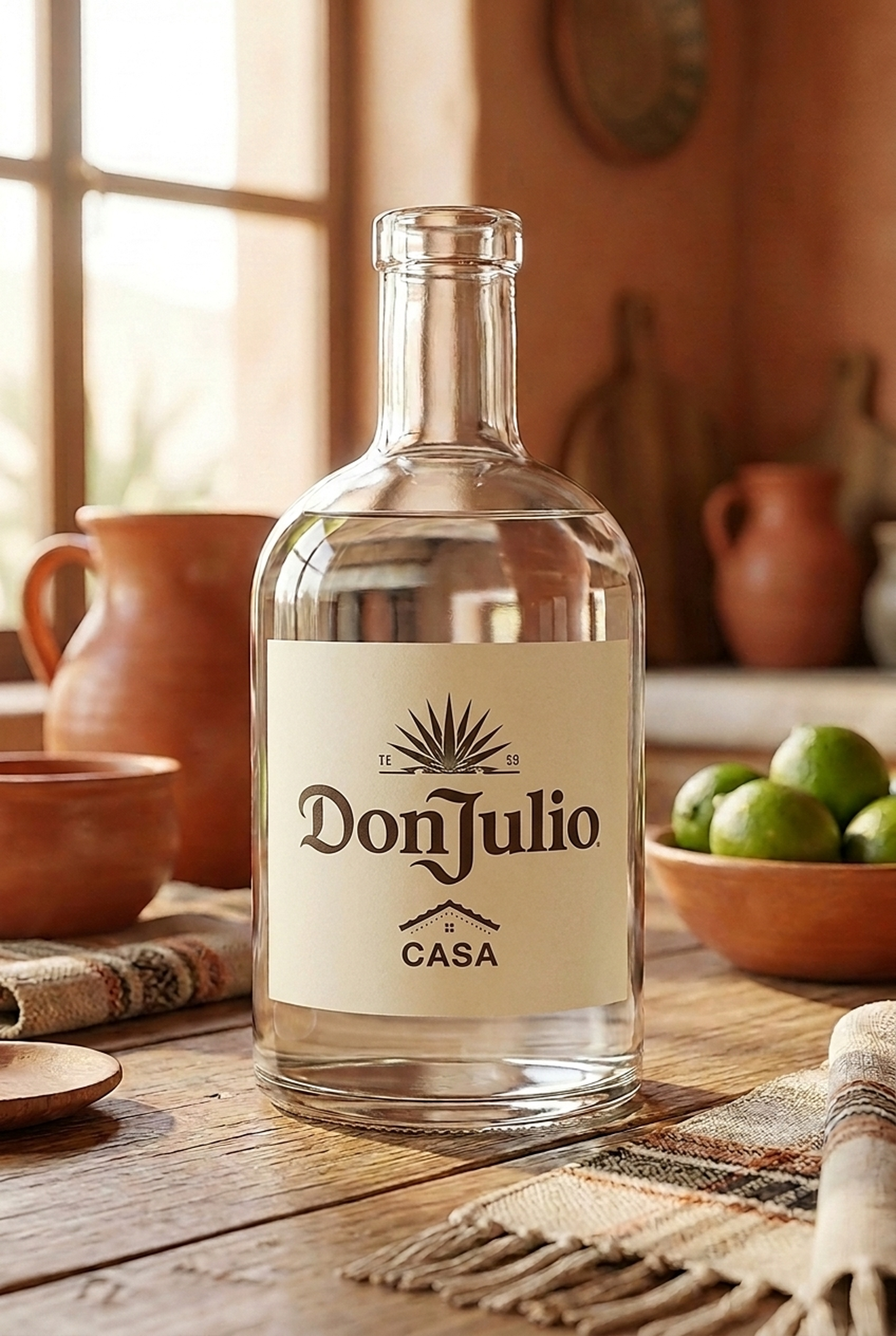
Mexico drinks roughly 93m litres of tequila a year at home. That is the volume the premium tier walked away from, and it is the side of the corridor Don Julio does not sell to. CRT · 2022–23, dated
Below the $50 Blanco. This is the first time Don Julio would price down, and there is no rung under Blanco to land on. no price test run
The saving is in the presentation box refused and the aging skipped, never in the agave. A litre with no box can hold margin per litre if the fill is bigger and the pack is nothing. derived from the liquid brief
Refill at Mexican distributors is a route Diageo does not run today and would have to build, distributor by distributor. no operation exists
The everyday Mexican pour is real volume that the premium category decided not to serve.
Pricing down puts the $65 blended bottle at risk, which is the whole brand's economics.
Refill at distributor level is an operation Diageo has never run in Mexico.
The bilingual third culture between Mexico and the US. The cultural space no spirits brand has named.
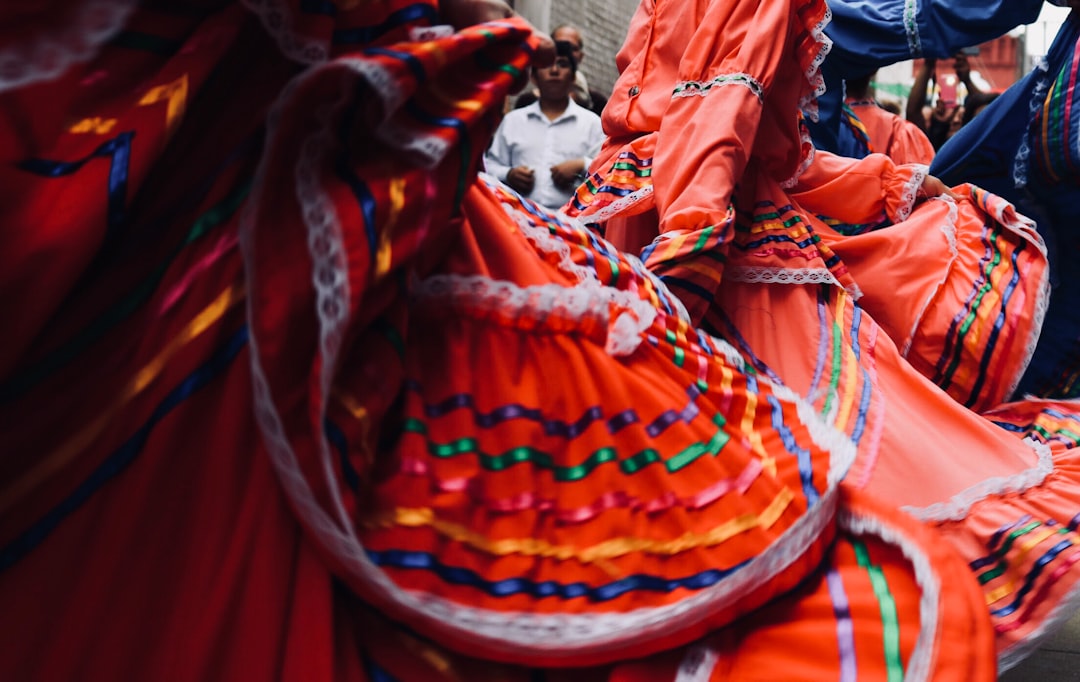
All of them push the same one note: Mexican means heritage. The Border Dialect breaks that choice open. It's built bilingual from the start, and it lives in both cultures at once.
Regional música · stage
Corridos tumbados · audience
Streetwear · LA / Chicano
Bilingual urban · East LA
Mexican-American Millennials and Gen Z live bidirectional culture — Peso Pluma, Natanael Cano, corridos tumbados crossing into the US mainstream, streetwear collaborations, bilingual brand identity. Hispanic consumers drive the largest share of US premium-tequila growth. No spirits brand has put a name to the world they live in.
The category keeps demanding they choose a side. They don't.
— Authenticity or assimilation · heritage or now · Mexico or America
Don Julio sells to Mexican-American drinkers every day. But its marketing still treats them as "imported Mexican," a heritage story they don't live in. Frontera just names what the brand is already doing.
The category keeps asking the cohort to choose a side — Mexican or American, heritage or contemporary. The Border Dialect inverts the binary itself.
Whoever names this group first gets to own it. Call them Mexican-American instead of "imported Mexican" and you become the brand they see themselves in.
A joven built on the desert's own flour. Highland agave from Atotonilco, fermented together with milled mesquite pod — péchita — gathered from trees that grow on both sides of the Rio Grande. The pod is never burned. Every distiller who touches mesquite smokes with it; this one ferments it. And because it is not 100% de agave, it is the only Don Julio the norm would let Diageo bottle on the US side. Bilingual label, EN/ES mirrored, not translated.
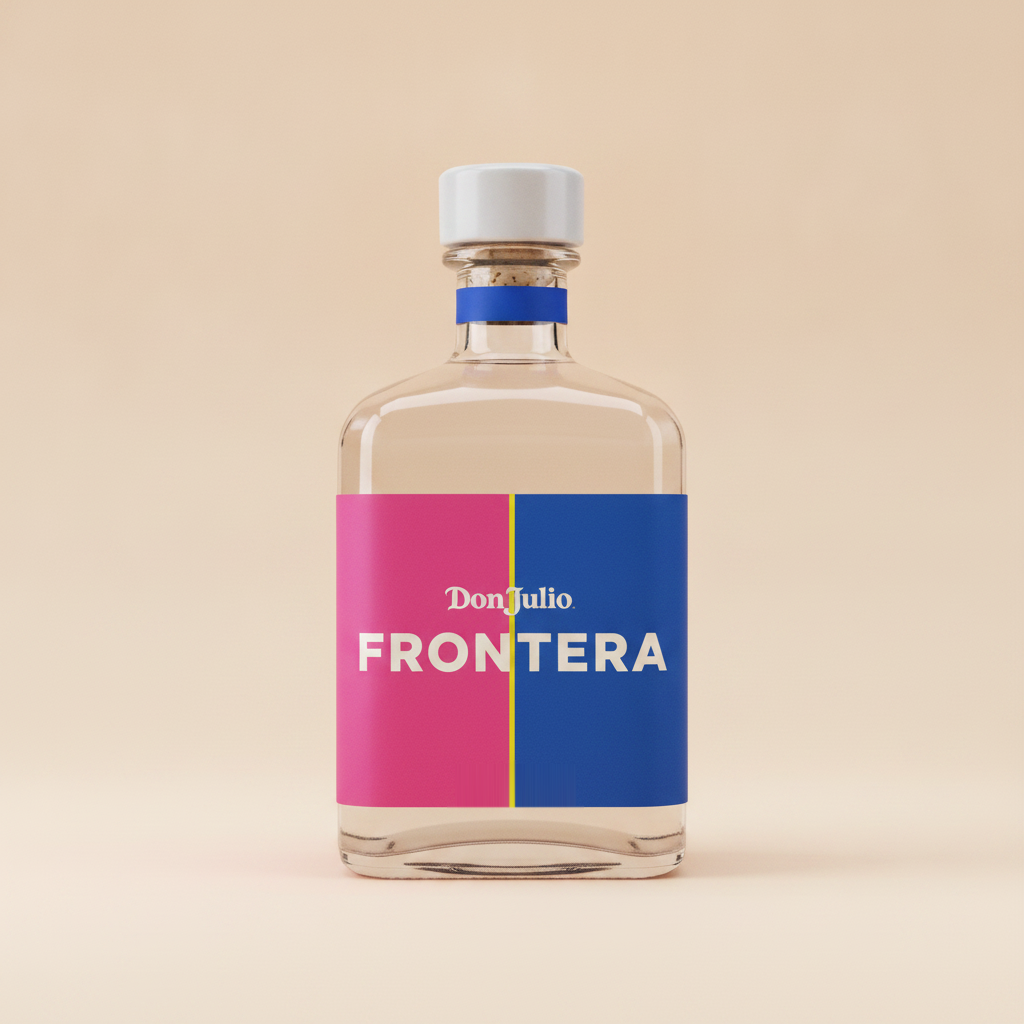
US tequila and mezcal is $6.4bn and fell 4.1% in value in 2025. The part that grew was cheaper tequila, which is the tier this bottle enters rather than the luxury tier that stalled. DISCUS 2025
$58–68. Opens above Blanco ($50) and tops out at Añejo ($68), because the argument here is not age. It is the only Don Julio whose price is not asking to be read as a tier. retail observed · position inferred
The flavour comes from a pod that falls off a tree nobody planted, added at fermentation, not from years in wood. This is the highest-margin construction of the three: no extra aging, no cask programme, an input that is gathered rather than bought. derived from process
Existing US shelf and corridor. The classification is settled: NOM-006 caps other sugars at 49% and bars only sugars from agave, so mesquite qualifies. It ships as Tequila, not as 100% de agave. NOM-006-SCFI-2012 §6.3
Mesquite fed the peoples of the Sonoran and Chihuahuan deserts, which straddle the line. It is the borderland's own flour, older than either country.
The cheapest flavour to buy of the three. The price is the 100% de agave claim, which this bottle gives up.
A fermentation change at a distillery Diageo already runs. The pod has to enter at formulation, before fermentation, because blending finished spirits is banned outright. Co-fermenting was the only legal route anyway.
Each territory is a different kind of bet. All three answer the brief. The decision is which one Diageo runs first.
Atlas · Built by Studio Panama Red
panamared.cc